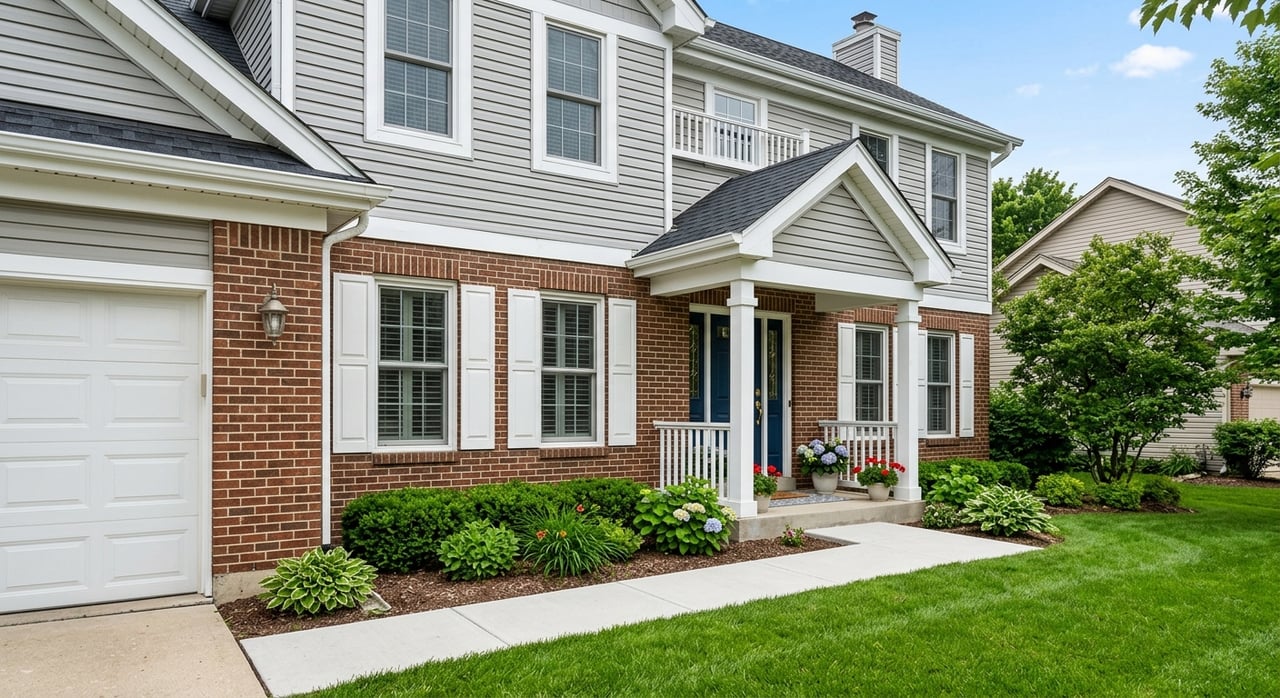
Thinking about buying your first rental property in Indianapolis? It can be an exciting way to build long-term wealth, but it can also get expensive fast if you rely on citywide averages alone. The good news is that with the right property-level research, you can make a smarter decision and avoid common beginner mistakes. Let’s dive in.
Why Indianapolis attracts beginner investors
Indianapolis gives first-time rental buyers a market that looks approachable on paper. As of April 30, 2026, Zillow reported an average home value of $232,133, a median sale price of $224,300, a median list price of $248,967, and an average asking rent of $1,381. Zillow also reported homes going pending in about 21 days, which points to steady activity.
At the same time, broad market numbers only tell part of the story. HUD described the Indianapolis-Carmel-Anderson metro housing market as balanced and reported a Q4 2024 average apartment rent of $1,270 with a 9.6 percent vacancy rate. For you as a beginner, that means a deal that works in one area may not work in another.
Start with submarket research
One of the biggest mistakes new investors make is treating Indianapolis like a single market. In reality, the city and surrounding metro include very different neighborhoods, housing types, and price points. Your returns will depend far more on the exact property and location than on a citywide average.
HUD noted that both single-family rentals and apartment-style rentals are important in the metro. It also reported that professionally managed single-family homes are part of a large single-family rental segment, while many 2024 apartment completions were concentrated in Carmel, Zionsville, Westfield, Fishers, and Noblesville. That is a strong reminder to compare urban and suburban rental opportunities separately.
Compare neighborhoods carefully
Zillow neighborhood snapshots show just how much values can vary inside Indianapolis. Reported median home values ranged from about $112,341 in Martindale-Brightwood to $348,907 in Downtown and $401,334 in Near Northside. That kind of spread can dramatically change your down payment, renovation budget, rent strategy, and exit options.
Instead of asking whether Indianapolis is a good rental market, ask whether a specific block, street, or subdivision supports your goals. Two homes with similar square footage can perform very differently based on condition, taxes, rent potential, and local competition.
Separate city and suburb analysis
If you are also considering the northern or northeastern suburbs, use a separate set of assumptions. HUD reported that single-family permitting in the metro reached 9,350 homes in 2024, with Marion County accounting for 1,250 permits and Hamilton County representing about one-third of the total. That level of construction activity can shape supply, competition, and renter demand differently depending on the area.
For beginner buyers, this matters because a rental in Indianapolis proper may have a very different cost structure and tenant profile than one in Carmel, Fishers, Noblesville, or Westfield. You want to underwrite each property in its own local context, not mix all the numbers together.
Build a simple cash flow model
Before you make an offer, run a basic rental analysis using real numbers for that property. Start with the expected monthly rent, then subtract every likely expense. If the math only works when you ignore key costs, the deal may not be strong enough.
Your model should include:
- Mortgage payment
- Property taxes
- Insurance
- Maintenance
- Vacancy allowance
- Property management, if used
- Utilities paid by the owner
- Reserves for larger repairs and replacements
This step sounds simple, but it is where many first-time investors get tripped up. Gross rent is only the top line. What matters is how much is left after the full cost of ownership.
Understand Indianapolis-area property taxes
Property taxes can change your monthly numbers more than many beginners expect. In Indiana, property taxes are paid in arrears and are typically due in two installments each year, usually on May 10 and November 10. Payments in Marion County go to the county treasurer, and late penalties are 5 percent within 30 days or 10 percent after that.
Tax treatment also differs between a primary residence and a rental property. The Indiana Department of Local Government Finance says the homestead deduction applies to a homeowner using the property as a principal residence, while other residential property is generally subject to the 2 percent property tax cap instead of the 1 percent homestead cap. DLGF also notes that local budgets affect the tax rate and that referendum-approved charges may fall outside the cap.
Verify the actual tax bill
Do not assume the current bill will stay the same after you buy. A seller may have deductions or credits that will not apply to you as an investor. That is why it is so important to verify the assessed value, tax bill history, and any deductions already on the property.
For Marion County properties, Indy.gov provides a property cash history report. Combined with DLGF guidance on how deductions, credits, and caps affect the final bill, this can help you estimate your ownership costs more accurately before closing.
Check zoning and parcel details early
Before you get too far into negotiations, confirm the parcel details through official local tools. Indianapolis provides an Indy Zoning Browser and GIS-based property report cards that can help you verify zoning and basic property information. This is especially important if you are evaluating a home with a unique layout, an accessory space, or a use that may need extra review.
This is a practical step that can save you time and money. A property that looks appealing online may have details at the parcel level that affect how you use, improve, or lease it.
Know the basics of landlord responsibilities
If this is your first rental, legal compliance needs to be part of your buying decision. Under federal and Indiana civil rights laws, housing providers may not discriminate based on race, color, religion, sex, disability, national origin, ancestry, or familial status. The Indiana Civil Rights Commission notes that most complaints must be filed within 180 days of the alleged act.
You should also understand Indiana security deposit rules before you become a landlord. Indiana guidance says a landlord generally has 45 days after receiving the tenant’s forwarding address to return the deposit or send an itemized statement of deductions. Move-in and move-out photos can also help if a dispute ends up in court.
Build your beginner due diligence checklist
A first rental purchase usually goes better when you follow a repeatable process. Instead of chasing every listing, focus on a short checklist that helps you compare properties consistently.
Here is a solid starting point:
- Estimate realistic monthly rent for that exact property
- Review the property tax history and current assessed value
- Confirm whether any deductions or credits will change after purchase
- Check zoning and parcel details through Indianapolis city tools
- Budget for insurance, maintenance, vacancy, and capital repairs
- Review the property’s condition and likely repair timeline
- Learn the basic landlord rules that will apply after closing
- Talk with a lender, CPA, and attorney before final decisions
This kind of process helps you stay objective. It also gives you a clearer picture of whether a property fits your budget and risk tolerance.
What beginners should remember most
Indianapolis can be a solid market for first-time rental buyers, but it is not a one-size-fits-all market. Citywide pricing and rent data may help you narrow your search, yet your actual results will come down to the exact property, neighborhood, tax bill, and ownership costs.
That is why the safest beginner approach is simple. Buy only after you verify the rent, taxes, zoning, and legal responsibilities tied to the specific property you want. When you do that work upfront, you give yourself a better chance at a rental that supports your goals over time.
If you are weighing your first investment purchase in Indianapolis or the northern suburbs, Stacy Barry can help you compare neighborhoods, review property-specific factors, and move forward with more confidence.
FAQs
What makes Indianapolis appealing for a first rental property?
- Indianapolis offers relatively approachable home values and rents compared with many larger markets, but success still depends on the specific property and submarket you choose.
What rent number should you use when analyzing an Indianapolis rental?
- Start with a realistic rent estimate for the exact property, then compare it against all ownership costs rather than relying only on citywide averages.
Why do property taxes matter so much for Indianapolis rental buyers?
- Indiana tax treatment is different for investor-owned property than for owner-occupied homes, so your tax bill may be higher than a seller’s current bill suggests.
How can you verify parcel details for a Marion County rental property?
- You can review zoning and parcel-level information through Indianapolis city tools such as the zoning browser and GIS property report cards before you buy.
What should first-time landlords know about Indiana security deposits?
- Indiana guidance says landlords generally have 45 days after receiving a tenant’s forwarding address to return the deposit or send an itemized statement of deductions.
Should you analyze Indianapolis and the northern suburbs the same way?
- No. Indianapolis, Carmel, Fishers, Noblesville, and Westfield can have different pricing, supply patterns, and rental dynamics, so each area should be evaluated on its own numbers.