Thinking about selling your Carmel home and wondering if staging is worth it? You want to protect your equity, move on your timeline, and attract buyers who appreciate quality. Professional staging helps you do all three by showcasing the right features for local buyers and producing photos that stand out. In this guide, you will learn what staging includes, how it influences offers, Carmel-specific room updates, and a simple plan to estimate your return. Let’s dive in.
Why staging works in Carmel
Carmel is a suburban market with many families, professionals, and downsizers. Buyers often value practical, well-defined spaces, flexible rooms for work or study, and outdoor living. That means your staging should highlight function, comfort, and quality finishes.
Seasonality also matters. Winter listings benefit from warm lighting and cozy textures. Spring and summer listings should show tidy landscaping and inviting patios. In both cases, staging sharpens first impressions and helps your photos pop.
Whether the market leans toward sellers or buyers, staging can protect your position. In a seller’s market, it supports stronger offers and a faster timeline. In a balanced or buyer’s market, it helps your home stand out and reduces time on market.
What professional staging includes
Full-service scope
Professional home staging prepares your home for the market through furniture, decor, layout, and styling choices that highlight function and flow. A typical full-service plan may include:
- Consultation and assessment with a recommended scope and estimate.
- Decluttering and depersonalization guidance to help buyers visualize living there.
- Cosmetic updates, such as paint, minor repairs, lighting, and curb appeal suggestions.
- Furniture and accessory rental with delivery, installation, styling, and removal.
- Coordination with photography to capture the best angles and light.
- On-market refreshes if your home is listed for an extended period.
Staging types explained
- Occupied-home staging: You keep your furniture, and a stylist adds select rental pieces and accessories to improve scale and flow.
- Vacant-home staging: Furniture rental and styling define room purpose and show true size.
- Luxury staging: Designer-led selections with higher-end furniture, coordinated landscaping touches, and lifestyle-driven photography.
- Virtual staging: Digital furnishings added to photos. It is fast and cost-effective for images, but it does not change the in-person experience.
Cost factors to expect
Staging fees vary by home size, number of rooms, furniture quality, delivery distance, and refresh needs. You may see a flat consultation fee, a delivery and setup charge, a monthly rental for furniture, and optional hourly design time. Some sellers pay out of pocket, others fund staging from proceeds or use programs offered through their agent. Request local quotes so you can compare options and value.
How staging drives better results
Buyer psychology
Staging helps buyers visualize daily life in your home. Defined seating areas show conversation and TV sightlines. Organized mudrooms signal easy routines. A tidy home office feels ready for work. When buyers can picture life there, they feel more confident making an offer.
Perceived condition and value
A well-styled home looks well cared for. Fresh paint, modern light fixtures, and streamlined decor reduce perceived risk and support stronger pricing. Staging also clarifies ambiguous spaces, like lofts or bonus rooms, which can increase perceived usable square footage.
Photography and momentum
Most buyers see your home online first. Staged rooms usually produce better photos and virtual tours, which can increase click-throughs and showings. With more interest early, you are more likely to secure the right offer sooner.
What to measure
Track days on market, sale price compared with list price, and buyer activity such as showings and feedback. Industry analyses often show positive correlations between staging and faster sales or stronger pricing, though results vary by home condition, price band, and market conditions.
Carmel room-by-room wins
Living room
Before: Oversized furniture pushed to the walls, heavy drapery, and visible clutter.
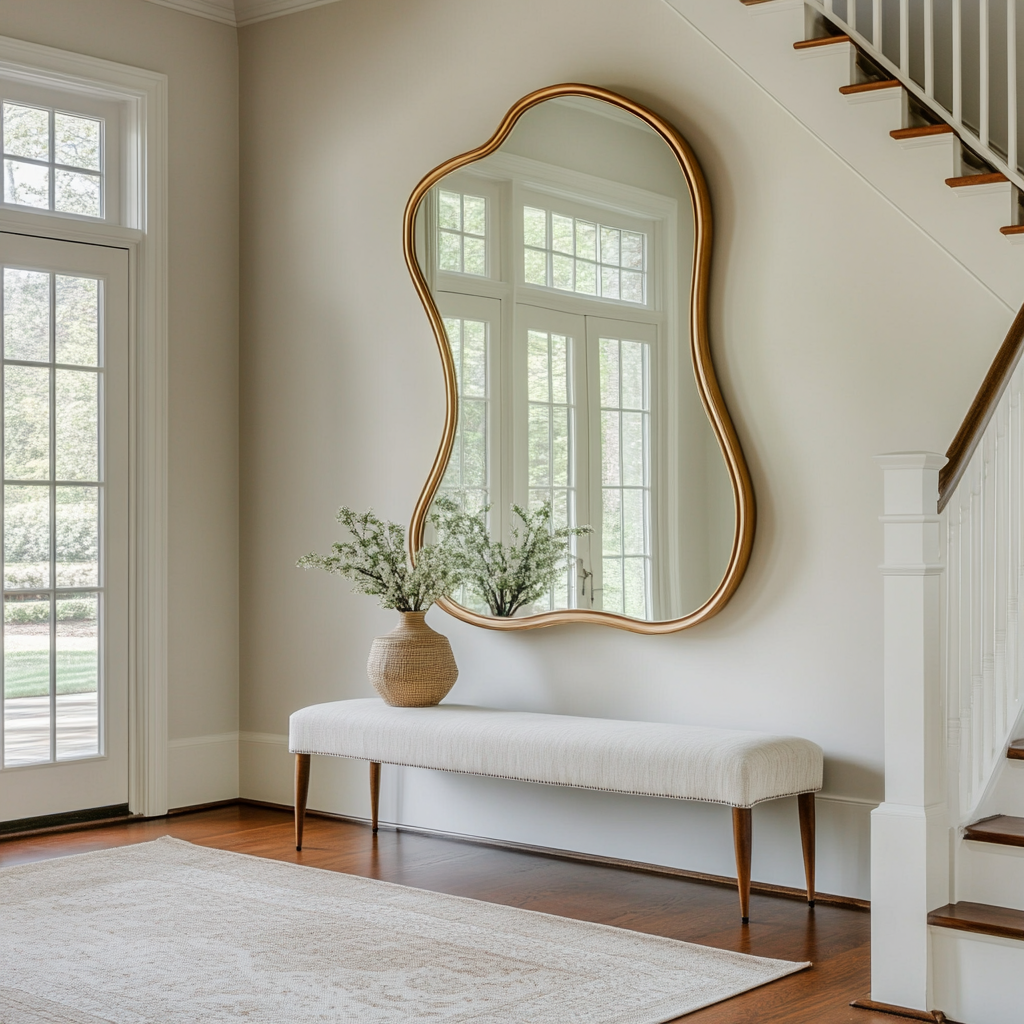
After: Create a scaled seating group anchored by a neutral rug. Center the layout on conversation and key sightlines. Add layered lighting and a few simple accessories. A well-placed mirror can increase perceived size and light.
Kitchen and dining
Before: Crowded counters, dated decor, mismatched stools.
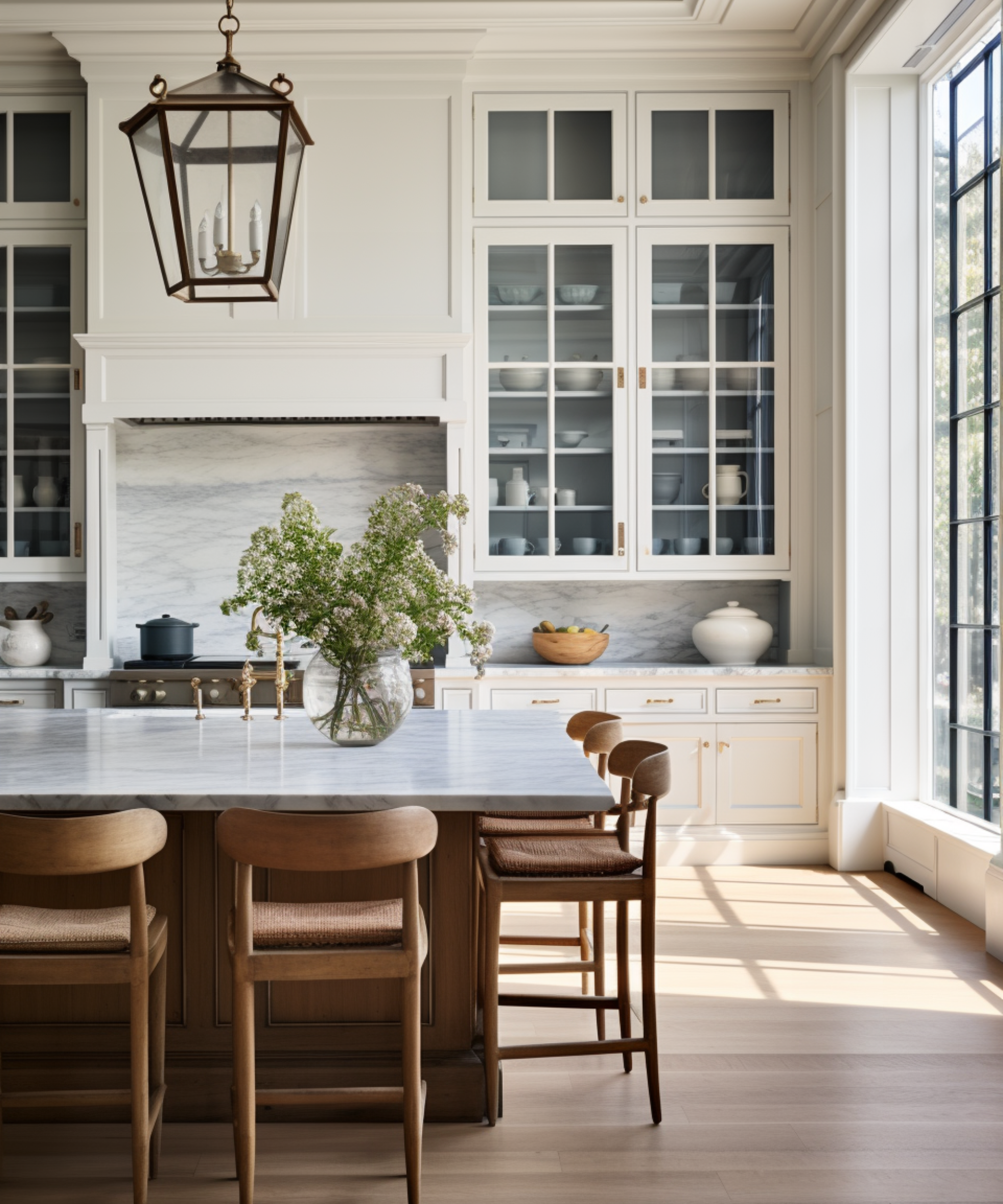
After: Clear counters and add one or two purposeful accents like a bowl of fruit. Use matching stools to signal cohesion. Lightly set the dining table to suggest entertaining and flow to nearby rooms. Keep the focus on storage and prep space.
Primary bedroom
Before: Personal photos, visible clothing, and small-scale furniture that crowds the room.
After: Neutral bedding, balanced nightstands with lamps, and minimal art. Remove extra furniture to show walking paths and the true scale of the room.
Home office or bonus room
Before: Catch-all storage or empty space.
After: Stage a functional office or study with a desk, task lighting, and tidy shelving. This helps professionals and families picture daily routines like remote work or homework time.
Basement or finished lower level
Before: Dim lighting, unclear zones, and exposed storage.
After: Define a media or game area with brighter lighting and area rugs. Show a small lounge or workout nook if space allows. Clear storage and keep items contained.
Outdoor spaces
Before: Overgrown beds and empty patios.
After: Fresh mulch, trimmed beds, and a simple bistro set or conversation group. Emphasize safe, usable yard space and easy entertaining.
Seasonal staging tips
- Winter: Use warm bulbs, extra floor and table lamps, and layered textures like throws and pillows. Keep walkways clear and entry lighting bright.
- Spring and summer: Edge beds, add container plants, power-wash hardscapes, and stage patios with clean cushions. Open curtains and blinds for natural light.
Virtual staging basics
Virtual staging is a useful tool for photos, especially for vacant homes. It is quick and cost-effective for online presentation. Be aware that it does not change the in-person experience. Many listing platforms require clear disclosure when images are virtually staged. Use it as a supplement or when timelines are tight.
Decide your staging plan
Key questions to answer
- What is your main goal and timeline: maximizing net proceeds or selling quickly?
- What are competing homes offering: are comparable listings staged or recently updated?
- What is your expected list price band: higher price points usually justify more staging investment.
- Is the home occupied or vacant: vacant homes often benefit most from full staging.
Estimate potential return
- Get at least three local quotes that include consultation, delivery, monthly rental, and removal.
- Ask your agent for comparable sales in Carmel or Hamilton County that used staging and note the outcomes.
- Model a breakeven: estimate the price lift or time savings needed to cover staging costs, and consider reduced carrying costs if you sell faster.
Logistics and timeline
- Consultation: 1 to 7 days.
- Planning and ordering: 1 to 2 weeks depending on inventory and scope.
- Delivery and installation: 1 to 3 days.
- Photography: schedule immediately after staging is complete.
- Removal: often arranged after you are through inspection or at sale completion to avoid interrupting showings.
Choose the right provider
- Review portfolios with before and after examples for homes like yours in Hamilton County.
- Confirm what is included: delivery, staging plan, photography coordination, and refreshes.
- Verify inventory style and quality matches your target buyer profile.
- Check insurance coverage for on-site inventory and clarify any items that may convey with the sale.
Quick staging checklist
- Walk each room and remove one third of items.
- Neutralize paint and replace dated light fixtures.
- Define every space with a clear purpose.
- Use scale-appropriate furniture and a simple color palette.
- Add layered lighting and fresh, low-profile accessories.
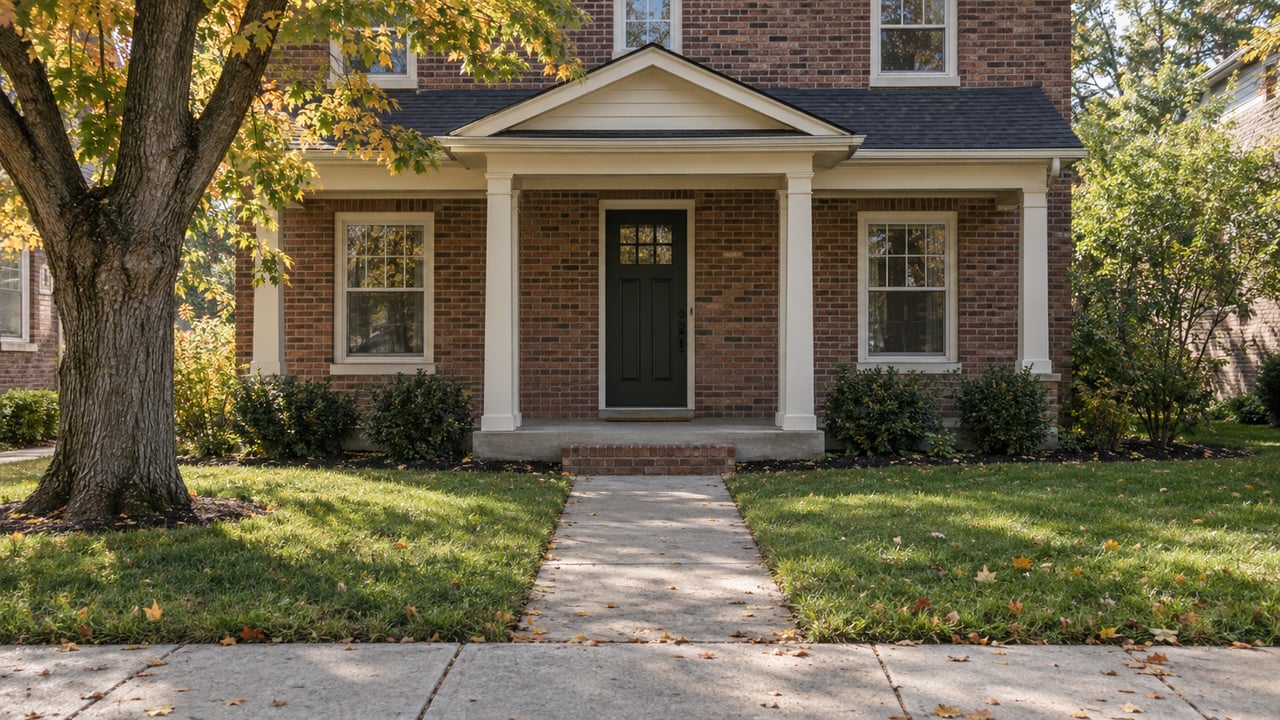
- Refresh landscaping and stage the porch or patio.
- Complete staging before professional photos.
Partner with pros who do this daily
You do not have to manage this alone. With enterprise-level marketing, a professional stager, and virtual staging capabilities, the Stacy Barry Team helps you plan the right scope for your price point and timeline. You get neighborhood insight, polished presentation, and a clear process from consultation to photography to closing. If you are considering a sale in Carmel or Hamilton County, connect with Stacy Barry to map your staging plan and listing strategy.
FAQs
Will staging in Carmel pay for itself?
- Many sellers see staging reduce days on market and improve buyer interest. Whether it covers its cost depends on your home’s condition, price band, and local competition. Get quotes and compare modeled outcomes with your agent.
How much does professional staging cost in Hamilton County?
- Costs vary by scope, size, and furniture quality. Expect a consultation fee, delivery and setup, monthly rental for vacant staging, and removal. Request itemized local quotes.
Should I stage an occupied Carmel home?
- Yes. Occupied-home staging leverages your existing furniture and targets problem areas with select rental pieces and accessories. It is often a cost-effective option.
Is virtual staging a substitute for physical staging?
- Virtual staging is great for photos, especially for vacant homes. It does not change in-person showings, and images must be disclosed as virtually staged. Consider it a supplement.
How far in advance should I stage before listing?
- Plan 1 to 3 weeks for consultation, ordering, and installation. Complete staging before professional photography and marketing go live.
Do Carmel buyers care about outdoor living spaces?
- Yes. Many buyers value usable yards and patios. Simple lawn care, container plants, and staged seating help them picture outdoor play and entertaining.